Walk into any bustling Asian kitchen and you’ll see woks at paintings. They’re no longer simply pans - they’re the spine of stir-frying, deep frying, steaming, and even smoking. But some of the legion of woks, two sorts dominate the dialog: forged iron and carbon metal. Chefs and residence chefs alike mull over which drapery if truth be told shines, exceptionally on the subject of the all-outstanding query: which heats up turbo?
This is simply not basically instructional. Stir-frying, to illustrate, depends on extreme warmth and lightning-fast cooking. If your wok takes too lengthy to heat up - or doesn’t hold onto that warmth as you toss in parts - your nutrition can steam in place of sear, turning what may still be a lively, smoky dish into one thing limp and lackluster.
Let’s dig into the distinctions that topic within the kitchen, drawing on lived trip and purposeful trials.
The Two Contenders: Cast Iron and Carbon Steel
Before diving into heating qualities, it helps to apprehend what makes these materials tick.
Cast iron woks are cast from molten iron poured into sand molds. They’re thick and heavy, with a country attraction and a attractiveness for longevity. Traditional Chinese cast iron woks are typically thinner than Western solid iron skillets, yet still far weightier than their carbon steel cousins.
Carbon steel woks are comprised of sheets of metal with a marginally of carbon, hammered or pressed into shape. They’re in the main thin-walled and faded enough to wield with one hand. Most pro Chinese kitchens want carbon metal for its responsiveness.
Both require seasoning - a manner of constructing up a nonstick layer through repeated heating and oiling. But their day-to-day behavior is different, pretty while the flame sparkles on.
Why “Heating Up Fast” Matters
In wok cookery, timing is the whole thing. Quick heating means that you can sear proteins before they overcook, blister veggies so they remain crisp, and flash aromatics till they release their heady scent with out burning.
If your wok takes ages to preheat, you lose momentum and menace uneven outcome. Worse still if the temperature drops dramatically anytime you add foodstuff. The aim is to shop the pan screaming warm from start off to finish - what cooks call “wok hei,” the elusive breath of the wok that offers dishes their signature taste.
How Heat Travels in Woks
Three bodily properties have effects on how effortlessly a pan heats:
- Thermal conductivity: How actual warm strikes because of the metallic. Heat potential: How plenty vitality it takes to elevate the pan’s temperature. Thickness/mass: Heavier pans take longer to warm but may just grasp temperature superior.
Cast iron rankings low on thermal conductivity yet prime on warmth ability and mass - that means it heats slowly but retains that warmness once warm. Carbon steel is much less dense, thinner by means of design, and has larger conductivity than cast iron, nevertheless cut back than resources like aluminum or copper.
Real-World Cooking: Lighting Both Woks
Let’s put theory into follow with some kitchen trials.
I’ve used each versions substantially in homestead settings and restaurant kitchens. On a familiar domicile gas burner (say 10-15k BTU), a 14-inch carbon metallic wok in many instances preheats in approximately 2-3 mins earlier oil starts off shimmering and wisps of smoke curl upward. Toss in aromatics, and you hear that prompt sizzle.
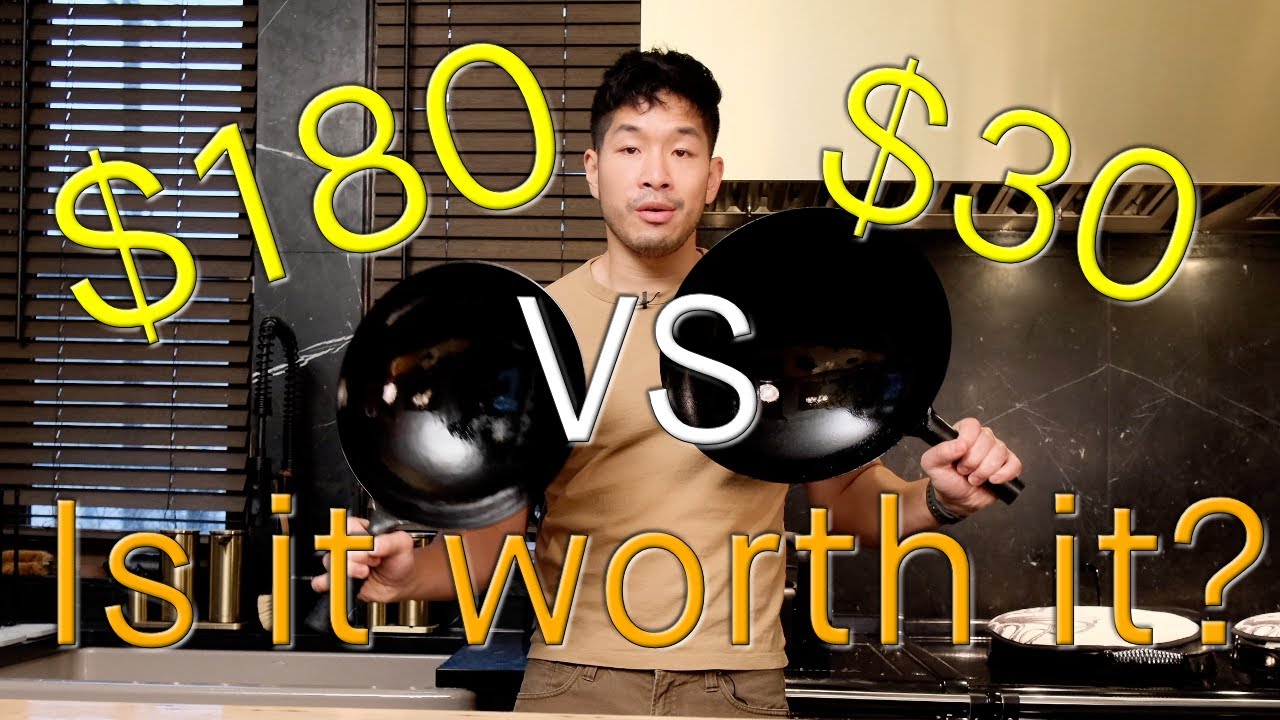
A solid iron wok of similar dimension primarily needs towards 5 mins on medium-high to succeed in that same nation. It feels gradual initially - warmth spreads slowly across its thicker surface. Once scorching, even though, cast iron maintains a good baseline temperature, beneficial if you’re cooking increased batches or desire regular warm throughout longer intervals.
On excessive-output restaurant burners (often 100k BTU or greater), equally woks come alive so much faster, however carbon metal nevertheless edges out solid iron in preliminary speed.
The Science Checks Out
If you look into uncooked numbers, carbon metal’s thermal conductivity hovers round 50 W/mK, even as solid iron lags at about 30 W/mK. That big difference displays up in cooking: carbon metallic absorbs and passes alongside warmness greater effectually.
But it’s no longer essentially conductivity. Cast iron’s additional heft capability extra vigour needs to be pumped in sooner than it gets sizzling across. If you’re as a result of a small residence range or induction burner, that will likely be a factual bottleneck.
Day-to-Day Impacts in Home Kitchens
With years of weekday dinners and weekend feasts behind me, I’ve spotted clean styles.
Stir-frying shrimp or thinly sliced beef in carbon metal supplies instant browning. Vegetables stay brilliant and snappy due to the fact that you’re ready to paintings immediate - a handful at a time - with practically no waiting between batches.
Cast iron should be would becould very well be frustratingly sluggish on weaker burners. Sometimes it seems like you’re coaxing it along, anticipating that second when oil at last dances throughout the surface. Once it hits stride, nevertheless, it’s colossal for braises or deep frying where lasting warm is an asset.
The change becomes stark whilst making dissimilar dishes back-to-lower back for a crowd. With carbon metallic, I can wipe down the pan and get accurate returned into excessive-warmth stir frying after a quickly reheat. With cast iron, I sometimes in finding myself adjusting my tempo so the pan can capture up.
Edge Cases: When Cast Iron Wins
For all its speed, carbon metal can also lose heat straight away if overloaded with cold ingredients or used on an underpowered stove. That’s the place solid iron’s inertia turns into a bonus - it shrugs off surprising temperature drops bigger with the aid of its thermal mass.
Let’s say you’re deep frying battered white meat or making a dry-fried Sichuan beef the place a whole lot of bloodless meat hits the pan at once. Cast iron will dangle stable more advantageous, lowering possibility of greasy or soggy results.
Similarly, for stews or braised dishes finished inside the wok (suppose pink-cooked red meat stomach), forged iron’s even warmness supplies comfortable simmering with no hot spots.
Restaurant Realities: Why Pros Favor Carbon Steel
Visit any busy Cantonese kitchen and also you’ll see chefs slinging carbon metal woks over roaring jet burners. The speed of reaction is mandatory - as additives cross inside and out without delay, pans must get better warmth https://www.cookwarereviewhub.com/ directly among tosses.
A seasoned chef can tilt and swirl a carbon metal wok with ease. The lighter weight skill less fatigue over enormous quantities of quick-cooked parts in a shift.
You do see solid iron in restaurant settings too - more basically in Northern China or for dishes wherein gradual, even cooking trumps velocity - however it’s uncommon in top-turnover stir-fry operations.
Practical Comparison Table
Here’s a area-via-edge analyze some key alterations suitable to heating velocity:
| Feature | Carbon Steel Wok | Cast Iron Wok | |------------------------|----------------------|-----------------------| | Thermal Conductivity | Higher (speedier heat) | Lower (slower warmness) | | Thickness | Thin | Thick | | Weight | Light | Heavy | | Time to Heat Up | 2-3 mins | 4-6 mins | | Heat Retention | Moderate | High | | Responsiveness | High | Low | | Best Use | Stir fry, immediate cook | Braise, deep fry |
Numbers are elegant on traditional 14-inch woks on homestead fuel stoves; your mileage may also fluctuate depending on range capability and extraordinary wok layout.
Other Factors That Affect Heating
It’s gentle to recognition entirely on drapery, yet various other points play into factual-international efficiency:
- Stove Output: A top-powered gas burner can catch up on slower-heating solid iron. On induction or electric powered coils, each versions take longer yet carbon steel nevertheless wins by means of a nose. Wok Shape: A spherical-bottomed wok sits in the direction of the flame than a flat-bottomed one, dashing up heating regardless of fabric. Seasoning Layer: With repeated use, both woks broaden a polymerized oil layer that could insulate a little. Well-pro pans sometimes preheat extra calmly than new ones. Batch Size: Overloading any wok drops its temperature sharply. Cast iron recovers more slowly but maintains its baseline as soon as warm; carbon steel rebounds turbo so long as you don’t crowd it.
When Speed Isn’t Everything
There are occasions while slower heating is honestly an advantage. Making fried rice? Quick heating is helping hinder mushiness as special grains toast in seconds. But if you happen to’re simmering mapo tofu or executing a gradual-cooked red braise, even gentle warm temperature is greater forgiving - the following cast iron excels.
I as soon as tried employing my trusty carbon steel wok for Sichuan-taste twice-cooked beef with an extended simmer part. It required consistent vigilance to restrict scorching; switching to solid iron gave me extra leeway and an excellent cook with much less stirring.
Care and Longevity
Another angle worthy mentioning: how heating affects protection.
With carbon metallic’s thinness and pace comes a business-off: it’s greater sensitive to warping less than surprising thermal shock. Dumping bloodless water into a screaming-scorching pan can bend it out of shape for exact. Cast iron resists warping yet can crack if abused with extreme temperature swings.
Both call for seasoning and smooth cleansing. Overheating either fashion over and over can strip away that hard-earned nonstick patina, sending you back to square one with caught-on eggs or rice.
Recommendations Based on Experience
If your important target is quick, responsive cooking - noticeably stir-fries and short sautés - and your range isn’t principally tough, carbon metallic is fingers-down the winner for heating pace. It’s lighter inside the hand and recovers quick among batches.
If you usally cook dinner in tremendous amounts or do a lot of deep frying or gradual braises in your wok, forged iron grants unequalled evenness and staying persistent once it in the end receives sizzling. Just be willing for greater staying power throughout preheating.
You can fully personal the two. Many Chinese households store a carbon metallic wok for on daily basis stir-fries and a heavier forged iron model for specialty obligations.
Here’s a short readiness checklist for deciding on between them:
Do you almost always stir fry small batches or choose prompt sizzle?

Cast iron may well be your good friend. Is your range low-powered or electrical?
Lean toward carbon steel until you’re set on slow-cooked dishes. Do you fee ordinary maneuverability?
Carbon metallic’s lighter weight makes tossing nutrients less complicated. Are you cooking for crowds with tons of chilly parts?
The thermal mass of solid iron will lend a hand defend warm.
Final Thoughts
Choosing among cast iron and carbon metal woks isn’t with regards to chemistry or physics - it’s approximately matching your gear to your habits and kitchen realities.
For sheer speed in heating and nimble cooking, carbon metal essentially forever leads the %. Cast iron rewards persistence with consistent warmth correct for slower preparations or better quantities.
Either method, with a few seasoning and practice, both can carry the ones smoky flavors and textures that make wok-cooked dishes unforgettable. The accurate answer depends on the way you cook dinner, not simply what you cook dinner with.