The sizzle of garlic hitting warm steel. The rush of smoke when soy sauce kisses a gleaming pan. Stir-frying is greater than a technique - it’s a rhythm, a dance between foodstuff and heat. At the heart of all of it is the wok, a chunk of cookware which may make or wreck your kitchen adventures. If you’ve ever wandered the cookware aisle or trawled on-line boards, you’ve run into the traditional debate: forged iron wok vs carbon metallic, in particular relating to gas and electrical stoves. The answer isn’t sensible, considering that the desirable collection depends to your range, your cooking model, and what you desire from your wok.
Let’s get into the authentic-world tips - the kind you in simple terms learn from years of stir-frying, seasoning, and (yes) the occasional kitchen mishap.
The Essential Qualities of a Wok
A wok seems to be elementary: a huge, around-bottomed pan with sloping facets. But each and every element subjects. The metallic, thickness, and even the handles form your cooking.
A important wok could heat speedily, distribute that warm frivolously, and reply to variations immediate. It may want to mean you can toss meals with no trouble and boost that elusive “wok hei” - the breath of the wok, a smoky flavor prized in Chinese delicacies. Versatility is essential too: you’ll would like to deep-fry, steam, or braise for your wok, no longer just stir-fry.
The two maximum favourite supplies for a wok are forged iron and carbon steel. Each brings diverse benefits and trade-offs. But they interact in a different way with gas and electrical stoves, and people alterations come to be manifestly transparent in day-after-day use.
Cast Iron Woks: Heft, Heat, and Heritage
If you’ve ever treated a cast iron skillet, you’ll recognize the favourite weight of a solid iron wok. Traditional Chinese solid iron woks are oftentimes thinner than Western skillets, however nevertheless so much heavier than their carbon metallic opposite numbers. Cast iron holds heat like few other resources. Once scorching, it stays sizzling. This makes it the best option for searing and for dishes in which you want steady, even heat.
But heft comes with baggage. Tossing nutrients in a heavy wok can pressure your wrist, particularly if you’re stir-frying for more than a few minutes. Moving a solid iron wok from range to sink is a two-surpassed operation for such a lot people.
One of the most important draws of solid iron is its means to grow a deep, naturally nonstick patina with real seasoning. Over time, this accretion will become nearly slick, making it doubtless to fry eggs or smooth fish without sticking. That reported, cast iron is extra brittle than carbon steel. Drop a solid iron wok from counter top onto tile and you might prove purchasing for a replacement.
Cast iron woks also are typically much less touchy to short ameliorations in warmth. If you overshoot the temperature, it takes longer to calm down. This will probably be a blessing or a curse, depending on your dish.
Carbon Steel Woks: Lightness, Agility, and Tradition
Walk into any bustling Chinese eating place kitchen and also you’ll possibly see carbon metal woks in motion. There’s a purpose for that. Carbon metal is lighter than solid iron and responds to warmth lightning-rapid. For dishes that demand break up-2nd timing - think gentle greens or instant-fried shrimp - that responsiveness is valued at its weight in gold.
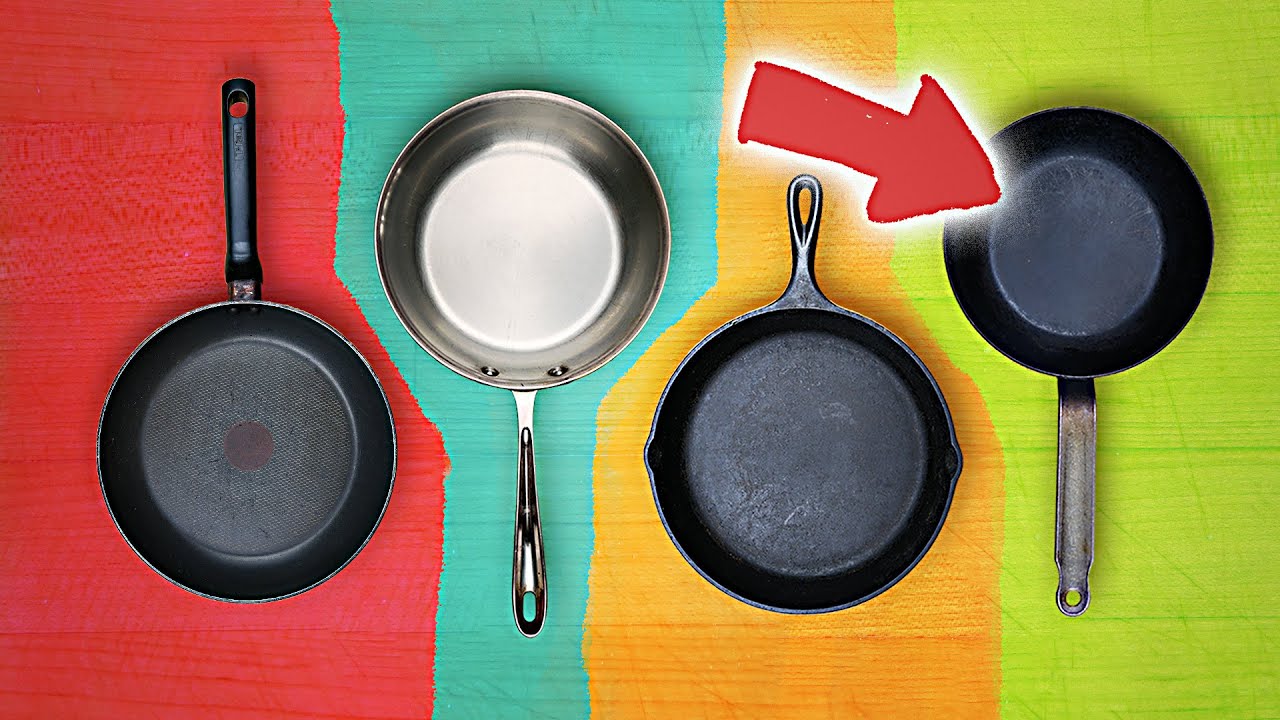
A carbon metallic wok heats up right away and cools down just as quick. You can pass from searing to simmering with a basic flick of the burner. This agility makes carbon steel woks most popular for prime-warm stir-fries the place you want crisp veggies and seared meat but don’t want to overcook some thing.
Just like cast iron, carbon steel woks enhance a seasoned floor through the years. The greater you cook (and the more fats you use), the more desirable it gets. But carbon metal can be at risk of rust if left rainy or unseasoned for lengthy classes. Unlike solid iron, it’s much less doubtless to crack or shatter if dropped.
Gas Stoves: The Wok’s Natural Habitat
The open flame of a gasoline stove is tailored for wok cooking. Traditional around-bottomed woks nestle into the flames, letting warmness wrap up the sides. With a trouble-free turn of the knob, you get quick regulate over your firepower - imperative for attaining that smoky wok hei style.
Both solid iron and carbon steel shine on gasoline stoves, however in one of a kind techniques. Carbon metal woks heat up blazingly immediate and assist you to toss cuisine straight using the most popular portion of the flame. Their lighter weight makes tossing less difficult, and their responsiveness allows you to modulate warm in actual time.
Cast iron woks take longer to preheat on gas but reward patience with consistent, even warmth. If you’re cooking dishes that need longer simmering or deep-frying at a strong temperature, solid iron is a immense ally. The in basic terms capture: flipping and tossing meals takes more muscle. The additional mass may additionally block some of the flame from licking up the perimeters, particularly if your range isn’t prime-powered.
If your fuel burner has a wok ring or cradle, equally components work neatly. But in the event that your stove struggles to supply critical warmness (imagine prevalent domestic tiers as opposed to restaurant burners), carbon metal’s immediate response presents it an edge for pace.
Electric Stoves: Adjusting Expectations
Electric stoves reward a really distinctive subject for wok clients. Coil or glass-ceramic heating elements give slower, less concentrated heat in comparison to gasoline flames. Round-bottomed woks don’t make complete touch with flat electrical burners, so warmth move suffers.
Flat-bottomed woks are incessantly advisable for electric stoves considering that they sit flush in opposition to the factor. Both forged iron and carbon metallic are plausible in flat-backside designs now, however purists might wince on the compromise.

Carbon metal’s instant responsiveness turns into less appropriate on electric powered burners since transformations in knob situation turn up progressively - there’s no immediately surge of warmth below your pan. Still, carbon metallic’s lighter weight makes maneuvering less demanding whilst space is tight and flipping nutrition is awkward.
Cast iron woks preserve their skills of constant warmth when they’re warm however can take an age to attain cooking temperature on an underpowered electric coil. That observed, as soon as hot they grasp onto heat at the same time as the coil cycles on and rancid. For deep frying or stewing on an electrical stove, cast iron can outperform carbon steel just through protecting temperature greater.
One aspect to notice: glass-ideal stoves might be scratched with the aid of tough or unpolished cookware bottoms. Cast iron is notorious for this; so is unfinished carbon steel. Some contemporary woks have smoothed bases to cut back scratching danger but consistently inspect your manufacturer hints before dragging any heavy pan throughout tender glass.
Real-World Cooking: What Changes With Each Combo
Imagine stir-frying red meat with broccoli on a 15,000 BTU fuel vary by way of a 14-inch carbon metal wok. You consider fast warmness as soon as you set down your marinated beef strips. You toss them into the most well liked spot above the flame and spot them sear out of the blue with barely any sticking. Seconds later, you push them aside to make room for broccoli florets - they hit the steel with a pleasing hiss and opt for up color with no wasting crunch.
Now switch in a heavy cast iron wok on that identical burner. You want a different minute or two to preheat absolutely yet once warm, every section of the surface affords you even browning and little menace of burning one spot whilst another remains faded. Tossing appears like arm day on the health club yet your red meat develops an unbeatable crust due to sustained top temperatures.
Try either wok on an older electrical coil range and matters change returned. A flat-bottomed carbon metal wok heats inconsistently until you move it round most likely; flipping additives requires greater wrist action considering the fact that one can’t tilt it easily into the coil like you are going to with gas flames growing up the perimeters. A flat-bottomed forged iron wok would think sluggish out of the gate however holds onto its complicated-earned heat while strength cycles up and down beneath it.
Maintenance Realities: Seasoning, Rust, Cleanup
Both forged iron and carbon metallic demand care past elementary soap-and-water cleaning exercises undemanding with nonstick pans or stainless pots.
Seasoning is absolutely not optional - it can be indispensable for arising nonstick houses and preventing rust. The method comprises heating oil till it polymerizes onto the metallic surface, constructing up layer with the aid of layer each time you cook fatty ingredients or intentionally season after washing.
Carbon metal has a tendency to construct seasoning sooner than Western-genre thick solid iron pans truly due to the fact its thinner metallic heats more immediately and lightly all the way through seasoning periods. However, the two resources will lose their shielding layer if scrubbed aggressively with harsh detergents or scouring pads.
If you go away both form of wok moist after cleaning (or worse yet soak it), be expecting orange flecks of rust inside hours in humid situations. This isn’t fatal; such a lot light rust might be scrubbed away ahead of reseasoning however widely used neglect will shorten any wok's lifespan.
For individuals who want minimum fuss: today's preseasoned techniques exist for either constituents but nonetheless gain from familiar renovation rituals at home.
Practical Pros and Cons: Quick Reference
Here’s a aspect-via-side check out how these ingredients stack up throughout key points:
| Feature | Cast Iron Wok | Carbon Steel Wok | |------------------------|---------------------------------|-----------------------------------| | Weight | Heavy (fantastically titanic ones) | Light - handy tossing | | Heat Retention | Excellent | Good but cools quicker | | Heating Speed | Slow to preheat | Rapid response | | Nonstick Potential | Excellent while pro | Excellent when professional | | Rust Risk | High if missed | High if uncared for | | Durability | Can crack/smash if dropped | Can dent/warp but infrequently breaks | | Price Range | $30-$a hundred+ | $20-$70+ | | Suitable Stove Types | Gas/electric powered (flat backside superb) | Gas/electrical (flat backside gold standard) | | Handling | Requires power | Easy one-hand use |
When To Choose Cast Iron Over Carbon Steel
If your cooking leans toward dishes that merit from soft simmering or steady deep-frying - suppose pink-braised pork stomach or crispy spring rolls - forged iron excels by means of conserving temperature due to thick and thin. Those with persistence for preheating will enjoy its forgiving nature if they now and again wander away mid-cook with out concern of burning half of their dinner at the same time as saving the other half of from being underdone.
On underpowered electrical stoves wherein faster heating isn’t seemingly anyway, forged iron can even unquestionably outperform carbon metallic for consistency by myself.
There’s additionally some thing deeply pleasurable approximately riding cookware that feels large - many chefs love that “heirloom” vibe handiest heavy solid iron grants.
When Carbon Steel Wins Out
Speed demons who love excessive-warmth stir fries loaded with crisp vegetables or thin-sliced meats will to find carbon metallic onerous to conquer - enormously on tough gas stages the place responsiveness things such a lot.
If wrist fatigue is true (as it's for plenty domestic chefs), lighter carbon metallic makes tossing nutrition achieveable even if working with bigger 14-inch versions loaded down with dinner pieces for 4 or greater people.
Those who delight in swift-fire cooking sessions wherein dishes stick to every single other in swift succession will realise how shortly carbon metal cools down among initiatives - no long waits for your pan to drop from blistering warm to viable hot before commencing some thing new.
Myths Worth Busting
A few misconceptions glide round approximately both resources:
- Some suppose all Chinese eating places use basically one sort of wok; in fact maximum authentic kitchens select carbon steel for practicality however heavy-accountability solid iron does look in a few nearby cuisines. Others concern all carbon steel woks warp right away over high warm; warping takes place repeatedly when skinny-gauge lower priced units are used improperly or bowled over with chilly water even though screaming sizzling. Some suppose up to date nonstick-lined woks are “more desirable” for home cooks terrified of rust or seasoning repairs; although those usally fail below intense warm required for correct stir-frying and should not mirror true wok hei flavors. Many of us think they "ruined" their pan if rust seems to be; minor rust should be would becould very well be mounted via scrubbing with salt or effective steel wool then reseasoning. Finally: a flat-bottomed wok may well offend purists yet works completely nicely for so much domicile chefs utilising up to date stoves - don’t allow lifestyle dictate what works fine for your kitchen realities.
Small Details That Matter
Handles deserve point out here: standard Chinese woks sport two brief metallic handles (“ears”), even as Western-marketplace items recurrently add a protracted stick maintain for more straightforward tossing on Western stoves. Cast iron editions can also have incorporated handles that get extraordinarily hot for the period of use - necessarily retain oven mitts within sight while managing these pans directly from hearth to desk.
Diameter also plays a position: 12-14 inch units fit families ideally suited however could crowd smaller burners; solo cooks might opt for 10-12 inches for rapid heating and less complicated maneuverability.
For glass-upper electrical stoves: search for out versions marketed as “soft bottom” or “polished base,” without reference to cloth selected; this reduces scratching possibility noticeably without sacrificing functionality.
Making Your Choice: A Practical Checklist
With these kind of industry-offs swirling around, right here’s one concise record to support steer your closing choice:
Stove Type: Gas favors circular-bottom carbon steel; electric powered works higher with flat-bottomed versions of either cloth. Cooking Style: High-warmth stir fries name for carbon metal; simmering/braising goes smartly with forged iron. Strength & Handling: Choose based on what feels happy lifting/tossing when loaded. Patience Level: If waiting for preheat annoys you, cross carbon metallic. Maintenance Willingness: Both require seasoning yet neither likes sitting wet; decide what suits your care behavior appropriate.Finding Your Perfect Wok
No single answer fits every cook or kitchen when weighing cast iron wok vs carbon steel - mainly given how wildly range versions range in truly houses all over the world. What matters so https://zenwriting.net/fotlannkxq/nonstick-dreams-cast-iron-wok-vs-carbon-steel-wok much is matching your priorities to what each drapery deals as opposed to chasing a few legendary “most popular.”
If I had solely one slot in my cabinet? I’d lean toward a 14-inch flat-bottomed carbon metal edition for sheer versatility across stove varieties - trouble-free dealing with on busy weeknights but able ample for bold weekend tasks related to deep-fried dumplings or sluggish-braised goodness alike.
But my neighbor? She swears with the aid of her inherited solid iron wok surpassed down from her grandmother in Guangdong province - battered edges and all - claiming nothing else can provide slightly the related soul-warming results when she simmers soy sauce chook each Sunday night time.
Either way: spend money on high quality from respectable brands (restrict extremely-thin bargain containers), decide to standard seasoning rituals even with cloth selected, and enable journey consultant long run enhancements as your knowledge develop along your taste buds.
Your proper stir-fry awaits - select your accomplice correctly and savour infinite delicious nutrition forward.